
LLM Reference
LLMReference helps tech leaders pick the right model and provider by tracking 1,744 models with expert picks and real-time benchmarks.
Visit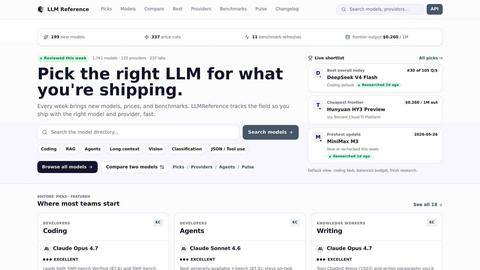
About LLM Reference
LLM Reference is a decision-support directory designed for engineers and technology leaders who need to choose the right large language model and provider in a rapidly evolving market. The platform tracks over 1,744 models, 133 providers, and 235 research labs, with data refreshed weekly to capture new releases, verified price changes, and benchmark updates. Its core value proposition is enabling fast triage: users can pick the right model for a specific task, identify the cheapest provider, and ship their project quickly. The site features a side-by-side model comparison tool, curated editors' picks for use cases like coding, agents, writing, research, image, and video, and a Pulse feed that highlights what changed in the current week, including new models, price cuts, and benchmark refreshes. LLM Reference is built for professionals who need authoritative, up-to-date information to make informed decisions without sifting through scattered sources. By aggregating verified data from multiple providers and labs, it eliminates guesswork and reduces research time. Whether you are evaluating frontier models for complex reasoning or seeking cost-effective options for production workloads, LLM Reference provides the clarity needed to ship with confidence. The platform also includes a changelog, an API for programmatic access, and a methodology page to ensure transparency in its rankings and recommendations.
Features of LLM Reference
Comprehensive Model Directory
Access a searchable directory of 1,744 models from 133 providers and 235 research labs. Each entry includes verified specifications, benchmark scores, pricing data, and provider details. The directory is updated weekly to reflect new releases, price changes, and benchmark refreshes, ensuring you always work with the most current information.
Side-by-Side Model Comparison
Compare any two models directly to evaluate performance, pricing, and suitability for your specific task. The comparison tool highlights differences in benchmark scores, output costs, context windows, and provider availability. This feature enables rapid decision-making by presenting critical trade-offs in a clear, digestible format.
Editors' Picks and Curated Boards
Browse expert-curated recommendations organized by audience and use case. Developers can find top picks for coding, agents, tool use, open weights, long context, and cheap models. Knowledge workers get guidance for writing, research, summarization, docs Q&A, translation, and data SQL. Creatives benefit from picks for image, video, voice TTS, transcription, music, and image editing.
Pulse Feed and Weekly Updates
Stay informed with the Pulse feed, which summarizes everything that changed in the model market during the current week. This includes new model releases, verified provider price cuts, benchmark refreshes, and frontier output pricing. The feed provides a quick overview of market movements without requiring manual tracking across multiple sources.
Use Cases of LLM Reference
Selecting a Model for a Coding Task
An engineering team evaluating models for code generation can use LLM Reference to compare top performers like Claude Opus 4.7, which leads both SWE-bench Verified and SWE-bench Pro. The platform provides benchmark scores, provider pricing, and editors' picks specifically for coding, enabling the team to select the model that best balances performance and cost for their development workflow.
Identifying the Most Cost-Effective Provider
A startup with limited budget can use the frontier pricing data and price cut notifications to find the cheapest provider for a given model. For example, the Pulse feed might show Hunyuan HY3 Preview via Tencent Cloud TI Platform at $0.260 per 1M output tokens. This allows the startup to optimize operational costs without sacrificing model quality.
Researching Models for Complex Reasoning
A research team working on advanced question-answering systems can use the Research board and editors' picks to identify top performers like Claude Opus 4.7, which scores 94.2 on GPQA Diamond. The side-by-side comparison feature lets them evaluate this against alternatives like GPT-5.5 or Gemini 3 Pro to find the best fit for their specific research requirements.
Evaluating Video Generation Models
A creative agency exploring AI video generation can browse the Video board to see editors' picks such as Veo 3.1, which offers 30-second clips, native audio, and up to 4K resolution through Vertex AI. They can compare this with alternatives like Runway Gen-4.5 or Wan 2.7, reviewing benchmark scores and provider details to make an informed investment.
Frequently Asked Questions
How often is the data in LLM Reference updated?
The platform is refreshed weekly with new model releases, verified price changes, and benchmark updates. The Pulse feed specifically highlights what changed during the current week, including new models, price cuts, and benchmark refreshes. This ensures users always have access to the most current information for decision-making.
What types of models and providers are tracked?
LLM Reference tracks over 1,744 models from 133 providers and 235 research labs. This includes frontier models from major providers like Anthropic, OpenAI, Google, and DeepSeek, as well as open-weight models, specialized models for coding, agents, vision, image generation, video, and more. The directory covers the full spectrum of available LLMs.
How are editors' picks determined?
Editors' picks are based on verified benchmark scores, real-world performance evaluations, and expert analysis. Each pick is tagged with a quality rating such as Excellent and includes supporting data like benchmark scores and use case suitability. The picks are reviewed regularly and updated as new models and benchmarks become available.
Can I access LLM Reference programmatically?
Yes, LLM Reference offers an API for programmatic access to the model directory, benchmark data, pricing information, and other platform features. The API allows teams to integrate LLM Reference data directly into their own tools, workflows, and decision-support systems for automated model selection and monitoring.
Top Alternatives to LLM Reference
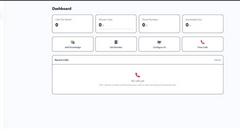
Receptri
Receptri is an AI receptionist platform that answers calls and website chats 24/7 with a human-like voice, managing bookings and escalating urgent.
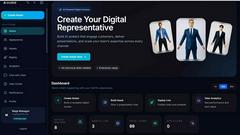

AI 3D
AI 3D generates production-ready, fully textured GLB models from text or images using Tencent Hunyuan3D and ByteDance Seed3D.
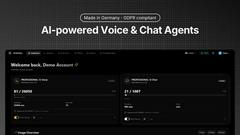
EchoCall
EchoCall is an all-in-one AI platform that automates voice, chat, and support for seamless business growth and lead management.
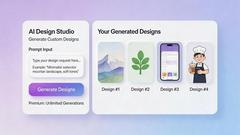
Lovart
Lovart AI uses next-gen generative intelligence to turn simple prompts into professional logos, videos, and complete brand kits in seconds.

Hyring
Hyring is an AI recruitment platform that automates hiring, streamlining candidate screening and interviews for faster, smarter talent acquisition.
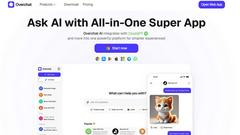
Overchat AI
Overchat AI is a powerful all-in-one platform that allows you to chat, create images, and generate videos effortlessly.
Atomic Chat
Atomic Chat is a private, offline, open-source desktop app offering uncensored local AI chat with over 1,000 models and zero data leaving your device.