
Best No Code & Low Code products (11+)
Discover 11+ best no code & low code products. Compare features, pricing, and reviews. Free and paid options available.
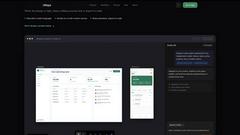
dMaya.ai
dMaya.ai is an AI-driven design platform that transforms product descriptions into editable UI screens, streamlining your design workflow instantly.
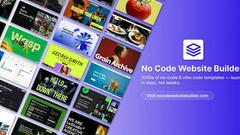
No Code Website Builder
Create and launch stunning websites and apps effortlessly with premium no-code templates tailored for every industry in days, not weeks.

Miget
Miget offers a fixed compute plan for unlimited app, database, and worker deployments without per-service fees, enabling rapid and cost-effective.
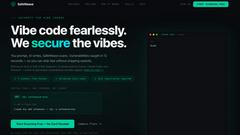
SafeWeave
SafeWeave is an AI code security scanner that detects vulnerabilities in 12 seconds with eight scanners, ensuring fast and secure code deployment.
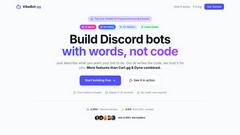
VibeBot
VibeBot is the AI-native Discord bot builder that creates powerful, hosted bots from your plain English descriptions in seconds.

FilexHost
Effortlessly host and share any file with FilexHost, generating a live link in seconds through simple drag and drop.
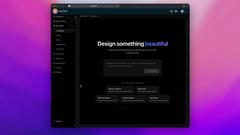
Vidori
Vidori empowers creators to launch custom streaming apps across platforms without coding or revenue sharing.
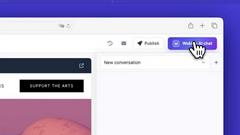
Wobbio
Wobbio is an AI-driven website builder that transforms your ideas into stunning, responsive websites instantly, with ...

TemplateFox
Effortlessly design and automate PDF generation for invoices, reports, and more with TemplateFox's intuitive platform.

PUNKU.AI
PUNKU.AI automates tasks effortlessly by transforming your plain English requests into smart AI solutions without cod...

MagicBlocks
MagicBlocks creates custom AI sales agents that engage customers 24/7, boosting conversations and conversions effortl...
Popular Alternatives in No Code & Low Code
About No Code & Low Code products
The No Code & Low Code category features platforms that empower anyone to build applications, websites, workflows, and automations without writing traditional code. These tools offer visual builders, drag-and-drop interfaces, pre-built components, and AI-assisted development features that dramatically reduce the technical barrier to creating digital products. From building a landing page to launching a full SaaS application, these platforms make software creation accessible to entrepreneurs, designers, and business professionals.
FAQs for No Code & Low Code
What can I build with no-code tools?
No-code tools can build websites, web applications, mobile apps, e-commerce stores, internal business tools, automated workflows, databases, forms, chatbots, membership sites, marketplaces, and CRM systems. Modern no-code platforms are increasingly powerful, with many production applications serving thousands of users built entirely without code.
How do no-code tools compare to traditional development?
No-code tools offer much faster development cycles, lower costs, and accessibility to non-developers, making them ideal for MVPs, internal tools, and straightforward applications. Traditional development provides more flexibility, customization, and scalability for complex applications. Many teams use both approaches, prototyping with no-code and scaling with custom code.
Are no-code platforms scalable for growing businesses?
Modern no-code platforms have significantly improved scalability, with many supporting enterprise-level traffic and data volumes. They offer features like custom domains, API integrations, database scaling, and CDN support. For extremely high-scale or complex requirements, businesses may eventually need custom development, but no-code platforms are increasingly viable for production workloads.