
Proofapp vs Skene
Side-by-side comparison to help you choose the right product.

Proofapp
Proof lets teams and clients leave contextual comments directly on website screenshots, streamlining the design review and approval process.

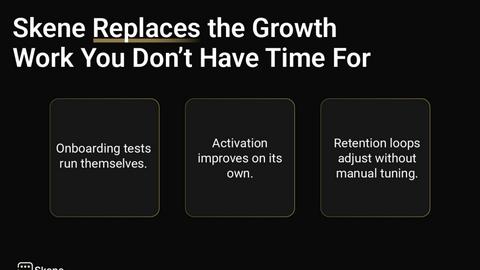
Skene automates onboarding, activation, and retention, transforming growth into a seamless, code-driven process.
Last updated: February 26, 2026
Visual Comparison
Proofapp

Skene
Overview
About Proofapp
Proof is a visual feedback and website review platform that helps designers, developers, and their clients collaborate more efficiently. Upload any website URL and Proof automatically captures desktop and mobile screenshots. Reviewers can pin comments directly on the design, reply in threads, attach files, and resolve feedback — all without needing an account. Features include real-time notifications, Slack integration, multi-page support, customizable accent colors, and a generous free tier. Whether you're a freelancer collecting client feedback or an agency managing multiple projects, Proof eliminates the confusion of scattered emails and vague revision notes by keeping all feedback visual, organized, and actionable.
About Skene
Skene is an innovative PLG (Product-Led Growth) iteration engine designed to empower indie developers and early-stage startups by automating the growth process without the need for dedicated growth teams. It focuses on the continuous optimization of essential user interactions such as onboarding, activation, and retention by leveraging insights derived from the customer code. By monitoring user actions, Skene identifies points of friction and activation drop-offs, allowing for real-time improvements to user flows. The platform autonomously creates, tests, and deploys enhanced configurations, ensuring that onboarding processes become more efficient, activation experiences are seamless, and retention strategies remain robust. With Skene, developers can streamline their growth efforts, freeing them to focus on product development rather than manual growth tactics. This self-learning growth engine is particularly advantageous for PLG companies that seek to optimize activation and enhance customer lifetime value without the burden of increasing headcount.