
Polym vs PseudoRun
Side-by-side comparison to help you choose the right product.

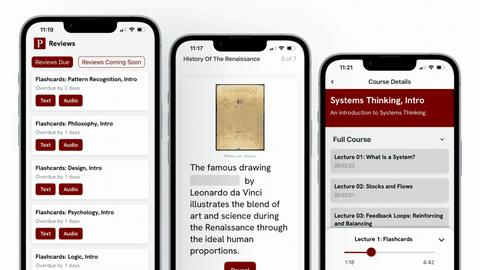
Polym is an audio app that enhances retention and recall through active learning, spaced repetition, and interleaving...
Last updated: February 26, 2026

PseudoRun
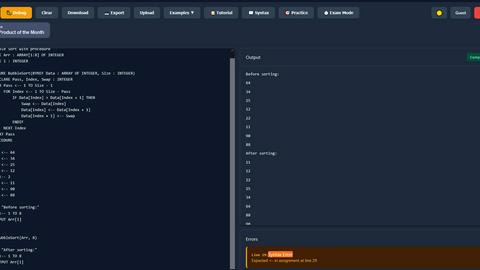
PseudoRun is the premier online tool for mastering IGCSE pseudocode, offering instant validation and practical exerci...
Last updated: February 26, 2026
Visual Comparison
Polym
PseudoRun
Feature Comparison
Polym
Medium-form Content on Foundational Knowledge
Polym offers a collection of medium-form courses that cover essential subjects relevant to multiple professional fields. Each course is designed to provide comprehensive insight while remaining accessible, ensuring that learners can engage with the material effectively.
Retrieval Practice
The app employs active learning techniques, including retrieval practice, which has been shown to significantly improve retention and recall. This feature utilizes audio flashcards that prompt users to retrieve information, reinforcing their memory and facilitating long-term learning.
Spaced Repetition
Polym incorporates spaced repetition, prompting users to review material at strategically timed intervals. This method maximizes the retention of information, allowing learners to strengthen their memory and consolidate knowledge over time, enhancing their overall learning experience.
Interleaving
Interleaving is a learning strategy used within Polym that mixes different topics during study sessions. This approach allows users to make connections between various subjects, leading to a more profound understanding and retention of the material by presenting concepts in diverse contexts.
PseudoRun
IGCSE Exam Focused
PseudoRun is meticulously designed to align with Cambridge IGCSE Computer Science specifications, ensuring that all features are relevant and beneficial for students preparing for their exams. This focus makes it ideal for mastering the specific requirements of IGCSE pseudocode.
Real-Time Validation
With PseudoRun's real-time validation feature, users receive instant syntax checking and error detection. This functionality significantly enhances the learning experience by allowing students to write accurate pseudocode, catch mistakes early, and understand the corrections needed to improve their coding skills.
Step-by-Step Debugger
The step-by-step debugger is a powerful tool that enables users to execute their pseudocode line by line. This feature allows for variable tracking and a deeper understanding of algorithms, facilitating more effective debugging and fostering a comprehensive grasp of programming logic.
Free Cloud Storage
PseudoRun offers free cloud storage, allowing students to save an unlimited number of pseudocode programs. This ensures easy access from any device, making it convenient for students to prepare for exams anytime and anywhere, thus enhancing their study flexibility.
Use Cases
Polym
Enhance Study Sessions
Students can utilize Polym to enhance their study routines by engaging with audio courses and flashcards. This feature allows them to maximize their study time, making it more efficient and effective.
Lifelong Learning
Professionals seeking to expand their knowledge base can use Polym to learn new concepts relevant to their careers. The app supports continuous education, encouraging users to explore various subjects and stay updated in their fields.
Quick Reviews
For individuals preparing for exams or needing to refresh their memory on specific topics, Polym provides quick review options through term-only courses. This allows for focused study sessions without unnecessary information, streamlining the learning process.
Flexible Learning on the Go
Polym is perfect for busy individuals who want to learn while commuting or during breaks. The app’s audio format enables users to absorb information hands-free, making it a convenient choice for learning on the go.
PseudoRun
For IGCSE Students
PseudoRun serves as an essential tool for IGCSE students who need to practice and refine their pseudocode skills. By utilizing the platform, they can complete practice problems that mirror exam conditions, enhancing their readiness for real-world assessments.
For Educators
Educators can leverage PseudoRun to create engaging lesson plans and instructional materials centered around pseudocode. The platform's features allow teachers to demonstrate key concepts effectively while providing students with hands-on practice opportunities.
For Self-Learners
Individuals seeking to learn programming on their own can use PseudoRun as a foundational tool. Its accessible interface and supportive features make it a perfect starting point for anyone interested in grasping the basics of coding and algorithm design.
For Exam Preparation
PseudoRun is ideal for students preparing for their IGCSE Computer Science exams. With the exam mode timer and a plethora of practice problems, students can simulate exam conditions and improve their speed and confidence when tackling pseudocode challenges.
Overview
About Polym
Polym is an innovative audio application designed to facilitate active learning and enhance the retention and recall of foundational knowledge across various subjects. Catering to lifelong learners, this app offers medium-form courses on essential topics such as Statistics, Probability, Logic, Economics, Computer Science, AI, Philosophy, and History. With an emphasis on self-study, Polym harnesses scientifically-backed learning strategies like retrieval practice, spaced repetition, and interleaving to optimize long-term memory retention. The app is tailored for anyone interested in improving their grasp of vital concepts, whether for professional growth or personal enrichment. Polym aims to make learning engaging and effective by providing audio flashcards and abbreviated course versions that allow users to absorb complex material in a digestible format, making it a valuable tool for aspiring polymaths and knowledge seekers everywhere.
About PseudoRun
PseudoRun is an innovative and interactive platform designed specifically for writing, running, and testing pseudocode in real-time, eliminating the complexities of traditional programming environments. Tailored for beginners, students, and educators, this platform stands out with its user-friendly interface and robust functionality. It offers instant feedback and step-by-step execution, empowering users to explore algorithmic logic, debug their ideas, and learn fundamental programming concepts with ease. As the leading free online IGCSE pseudocode editor and simulator, PseudoRun aligns perfectly with Cambridge IGCSE Computer Science specifications, making it an invaluable resource for students aiming to excel in their exams. With features such as real-time validation and an extensive repository of practice problems, PseudoRun effectively bridges the gap between theoretical knowledge and practical application, making coding accessible, engaging, and straightforward for everyone involved in the learning process.
Frequently Asked Questions
Polym FAQ
What research supports the long-term learning strategies mentioned above?
Research in cognitive psychology underscores the effectiveness of strategies like retrieval practice and spaced repetition in enhancing memory retention. A comprehensive overview of these methods can be found here: NCBI Study.
What are some of the subjects covered?
Polym covers a diverse array of subjects, including Logic, logical fallacies, cognitive biases, Statistics, Probability, scientific research, Algorithms, Economics, Philosophy, History, and much more, catering to a wide range of interests.
When is the official launch date?
Polym is currently available for download on both iOS and Android platforms, allowing users to start their learning journey immediately.
Who is Polym for?
Polym is designed for anyone eager to improve their retention and recall of key subjects. Whether for professional advancement, academic purposes, or personal enrichment, the app serves as a valuable resource for learners of all backgrounds.
PseudoRun FAQ
What is PseudoRun?
PseudoRun is an interactive platform for writing, running, and testing pseudocode. It is specifically designed for IGCSE Computer Science students, facilitating real-time feedback and algorithm mastery.
Is PseudoRun free to use?
Yes, PseudoRun is completely free to use. There are no hidden fees, premium paywalls, or advertisements, ensuring a distraction-free learning environment for all users.
How does the real-time validation feature work?
The real-time validation feature checks the syntax of your pseudocode as you write it, instantly highlighting errors and providing suggestions for corrections. This helps users write accurate and effective pseudocode.
Can I access PseudoRun from any device?
Absolutely! PseudoRun offers free cloud storage, allowing you to save your pseudocode programs and access them from any device with internet connectivity, ensuring you can study anytime and anywhere.
Alternatives
Polym Alternatives
Polym is a cutting-edge audio application designed for active learning, focusing on enhancing retention and recall through scientifically-backed strategies. It falls under the education and learning category, offering medium-form courses across essential subjects such as Statistics, Computer Science, and Philosophy. Users often seek alternatives to Polym due to factors like pricing, additional features, or the need for compatibility with different devices and learning styles. When selecting an alternative, it's important to consider the learning methodologies employed, the breadth of topics covered, and the overall user experience to ensure it meets your educational needs.
PseudoRun Alternatives
PseudoRun is a premier online tool designed for mastering IGCSE pseudocode, falling under the Education & Learning category. Its innovative platform allows users to write, run, and test pseudocode in real-time, making it particularly appealing to students, educators, and beginners seeking to grasp programming concepts. Users often seek alternatives to PseudoRun for various reasons, such as pricing, specific features, or compatibility with different platforms and devices. When considering an alternative, it is essential to evaluate factors like ease of use, support for educational curricula, real-time feedback capabilities, and overall functionality to ensure that the chosen tool will effectively meet the learning and teaching needs.