
Grok Imagine 2.0 vs Kling 2.6
Side-by-side comparison to help you choose the right product.

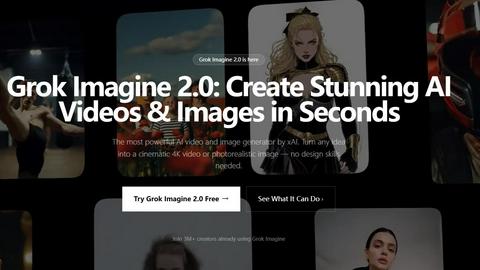
Create cinematic 4K videos and photorealistic images from text, images, or audio in seconds with Grok Imagine 2.0.

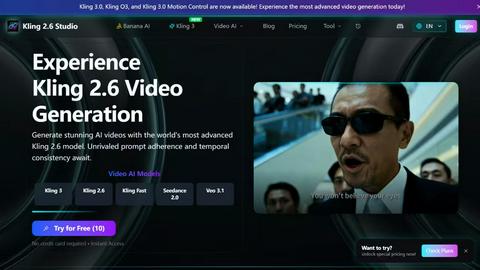
Kling 2.6 generates stunning AI videos with unrivaled prompt adherence and temporal consistency.
Last updated: April 4, 2026
Visual Comparison
Grok Imagine 2.0
Kling 2.6
Overview
About Grok Imagine 2.0
Grok Imagine 2.0 is a powerful AI video and image generator that transforms text, images, and audio into cinematic 4K content in seconds. Designed for creators, marketers, and developers, Grok Imagine 2.0 offers a seamless multimodal workflow that combines video and image generation in one platform.
With Grok Imagine 2.0, users can create high-quality visuals from simple prompts, animate existing images, and refine outputs using natural language. The platform focuses on speed, flexibility, and ease of use—no complex setup required.
Key features include fast generation, multimodal input support, and high-resolution output, making Grok Imagine 2.0 ideal for social media content, marketing campaigns, and creative projects.
If you're looking for an all-in-one AI content creation tool, Grok Imagine 2.0 is a strong choice for producing professional visuals quickly and efficiently.
About Kling 2.6
Kling 2.6 is a state-of-the-art generative AI video model designed to transform text and image prompts into stunning, high-fidelity video content. As part of the Kling AI suite, it represents a significant leap in video synthesis technology, offering creators, marketers, filmmakers, and businesses a powerful tool to produce professional-grade video assets rapidly and efficiently. Its core value proposition lies in delivering unparalleled prompt adherence and exceptional temporal consistency, two areas where previous AI video generators often faltered. Kling 2.6 understands complex scene descriptions and animates every element with remarkable coherence, ensuring objects and characters maintain their identity and logical placement throughout the generated clip. With support for 5-second videos at 720p resolution in a landscape (16:9) format, it provides a robust foundation for creating compelling short-form content, prototypes, and visual concepts. The model is engineered for users who demand cinematic motion, deep scene comprehension, and reliable outputs that faithfully translate creative vision into moving visuals, positioning itself as a leader in the competitive AI video generation landscape.