
Fallom vs qtrl.ai
Side-by-side comparison to help you choose the right product.

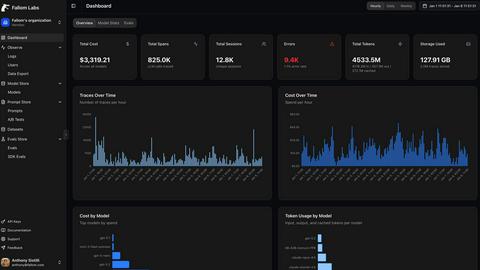
Fallom is an AI-native observability platform that provides real-time insights and analytics for LLMs and agents.
Last updated: February 26, 2026

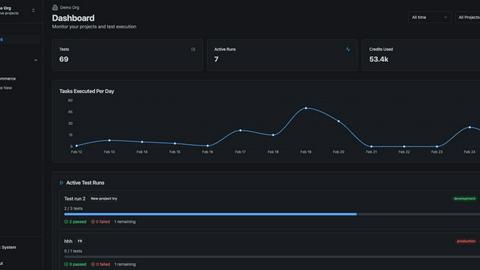
qtrl.ai is an all-in-one QA platform that combines test management and AI-driven automation for scalable quality.
Last updated: February 27, 2026
Visual Comparison
Fallom
qtrl.ai
Feature Comparison
Fallom
Real-Time Observability
Fallom offers real-time observability for AI agents, allowing users to track every tool call in detail. This feature enables comprehensive analysis of timing, latency, and costs associated with LLM calls, fostering a deeper understanding of operational performance.
Cost Attribution
With Fallom, organizations can achieve full transparency over their AI-related expenditures. The platform allows users to track costs per model, user, and team, facilitating accurate budgeting and chargeback processes essential for financial accountability.
Compliance Ready
Fallom is engineered to meet stringent regulatory requirements, offering full audit trails that support compliance with frameworks such as the EU AI Act, SOC 2, and GDPR. Features include immutable logs, input/output tracking, model versioning, and consent management.
Session Tracking
This feature groups traces by session, user, or customer, providing complete context for every LLM interaction. It allows organizations to analyze user behavior and interactions, enhancing insights into application performance and user engagement.
qtrl.ai
Autonomous QA Agents
qtrl.ai features autonomous QA agents that execute testing instructions on demand or continuously. These agents can run tests across multiple environments at scale while operating within user-defined rules. This capability ensures real browser execution instead of simulations, enhancing the reliability of test results.
Enterprise-Grade Test Management
The platform provides centralized management of test cases, plans, and executions, ensuring full traceability and audit trails. With support for both manual and automated workflows, qtrl.ai is designed for compliance and auditability, making it ideal for enterprises that require rigorous quality assurance processes.
Progressive Automation
qtrl.ai enables teams to start with human-written testing instructions and gradually transition to AI-generated tests. The platform intelligently suggests new tests based on coverage gaps, allowing teams to review, approve, and refine tests at every step of the process, thus maintaining control over their testing strategy.
Adaptive Memory
qtrl.ai incorporates adaptive memory, which builds a living knowledge base of the application being tested. This feature learns from exploration, test execution, and issues, powering smarter, context-aware test generation that becomes more effective with each interaction.
Use Cases
Fallom
Debugging Multi-Step Agents
Fallom is indispensable for teams developing multi-step agents, as it provides timing waterfalls that help identify latency issues within workflows. This allows engineers to optimize performance and improve user experience through better debugging.
Regulatory Compliance Management
Organizations operating in regulated industries can leverage Fallom to maintain compliance effortlessly. With comprehensive audit trails and user consent tracking, businesses can demonstrate adherence to necessary legal standards while managing LLM operations.
Cost Management in AI Deployments
With the cost attribution feature, companies can meticulously track their AI spending on a granular level. This empowers teams to identify cost-saving opportunities and allocate resources more effectively across various models and user groups.
Performance Monitoring and Evaluation
Fallom offers real-time dashboards for monitoring LLM usage, enabling teams to spot anomalies and performance issues before they escalate. This proactive approach helps maintain the reliability of AI systems and enhances overall operational efficiency.
qtrl.ai
Scalable QA for Growing Teams
As organizations expand, QA teams often struggle with the volume of testing required. qtrl.ai provides a scalable solution that allows teams to manage test cases efficiently while integrating AI-driven automation to keep pace with development demands.
Legacy Workflow Modernization
Companies looking to modernize their legacy QA workflows can leverage qtrl.ai's capabilities to transition from brittle, traditional automation methods to a more adaptive and intelligent testing framework that enhances agility without losing control.
Continuous Integration and Delivery
For teams implementing CI/CD pipelines, qtrl.ai seamlessly integrates into existing workflows, providing continuous quality feedback loops that ensure high-quality software releases. The platform supports rapid test execution across various environments, which is crucial in a fast-paced development landscape.
Enhanced Compliance and Governance
Enterprises requiring stringent governance and traceability in their QA processes can benefit from qtrl.ai's enterprise-grade features. The platform's comprehensive audit trails and permissioned autonomy levels enable organizations to maintain oversight while optimizing their testing efforts.
Overview
About Fallom
Fallom is a cutting-edge, AI-native observability platform designed specifically for managing large language model (LLM) and agent workloads. It empowers organizations to monitor and analyze every LLM call made in production environments through comprehensive end-to-end tracing. Key aspects captured include prompts, outputs, tool calls, tokens utilized, latency, and the cost associated with each call. Fallom is tailored for enterprises needing robust compliance measures, providing session, user, and customer-level context as well as detailed timing waterfalls for multi-step agents. Its enterprise-ready features include audit trails, logging, model versioning, and user consent tracking, ensuring adherence to regulatory standards. With a streamlined OpenTelemetry-native SDK, teams can easily instrument applications in just minutes, enabling real-time monitoring, rapid debugging, and precise cost attribution across various models, users, and teams.
About qtrl.ai
qtrl.ai is an advanced test management platform designed to meet the demands of modern software development teams. It offers a comprehensive suite of tools that enable organizations to effectively manage, execute, and analyze their testing processes. With qtrl.ai, teams can organize their test cases, plan and execute test runs, trace requirements to coverage, and monitor quality metrics through intuitive real-time dashboards. This platform is particularly beneficial for engineering leads and QA managers who need clear visibility into testing outcomes, including what has been tested, what is passing, and potential risks.
What sets qtrl.ai apart from traditional test management solutions is its innovative AI layer. The platform includes autonomous agents capable of generating user interface tests from natural language descriptions, maintaining them as applications evolve, and executing these tests across various environments and browsers. With a progressive automation model, qtrl.ai allows teams to start with manual testing and gradually integrate AI-driven automation, making it suitable for organizations at any stage of QA maturity. Ultimately, qtrl.ai empowers teams to scale quality assurance efforts without sacrificing oversight, trust, or governance.
Frequently Asked Questions
Fallom FAQ
What is Fallom?
Fallom is an AI-native observability platform that provides comprehensive monitoring and analysis of LLM and agent workloads, enabling organizations to optimize performance and ensure compliance.
How does Fallom ensure compliance?
Fallom includes features like audit trails, input/output logging, model versioning, and user consent tracking, all designed to help organizations meet regulatory standards such as GDPR and SOC 2.
Can Fallom be integrated easily?
Yes, Fallom utilizes a single OpenTelemetry-native SDK that allows teams to instrument their applications quickly and monitor usage with minimal overhead, typically in under five minutes.
What kind of analytics does Fallom provide?
Fallom delivers detailed analytics on LLM calls, including timing, cost attribution, performance metrics, and session tracking, which collectively allow organizations to gain deeper insights into their AI deployments.
qtrl.ai FAQ
What makes qtrl.ai different from traditional testing tools?
qtrl.ai stands out due to its integrated AI layer that enables autonomous test generation and execution. This differentiates it from traditional tools that often rely solely on manual testing or rigid automation frameworks, providing a more adaptable and scalable solution.
Can qtrl.ai be used by teams at any stage of QA maturity?
Yes, qtrl.ai is designed with a progressive automation model that allows teams to start with manual test management and gradually introduce AI-assisted automations. This flexibility makes it suitable for organizations at any stage of their QA journey.
How does qtrl.ai ensure the security of test data?
qtrl.ai incorporates enterprise-ready security by ensuring that sensitive data, like per-environment variables and encrypted secrets, are never exposed to AI agents. This design maintains the integrity and confidentiality of test data across all environments.
Is it possible to monitor test execution in real-time with qtrl.ai?
Absolutely. qtrl.ai provides real-time dashboards that track quality metrics, offering clear visibility into test runs, pass rates, and risk areas. This feature enables teams to make informed decisions quickly and effectively.
Alternatives
Fallom Alternatives
Fallom is an innovative, AI-native observability platform designed to provide real-time insights and analytics for large language models (LLMs) and agents. As organizations increasingly adopt AI technologies, they often seek solutions that allow them to effectively monitor and manage their LLM workloads. Users typically explore alternatives to Fallom for various reasons, including pricing, specific feature requirements, or the need for different platform integrations that better align with their operational workflows. When choosing an alternative, it's essential to consider factors such as the comprehensiveness of observability features, compliance capabilities, cost transparency, and the ease of integration with existing systems. Additionally, evaluating the scalability and support offered by the platform can help ensure it meets both current and future organizational needs.
qtrl.ai Alternatives
qtrl.ai is a comprehensive QA platform that specializes in structured test management and incorporates AI-driven test automation tailored for engineering and product teams. This dual focus allows organizations to streamline their quality assurance processes, making it easier to manage test cases, execute test runs, and analyze quality metrics through real-time dashboards. Users frequently seek alternatives to qtrl.ai due to various factors, including pricing concerns, specific feature requirements, or the need for compatibility with existing platforms. When exploring alternatives, it is essential to consider the scope of features offered, the ease of integration with current workflows, and the level of support provided. Evaluating these criteria can help ensure that the chosen solution aligns with the organization's QA maturity level and long-term goals.