
diffray vs qtrl.ai
Side-by-side comparison to help you choose the right product.

diffray
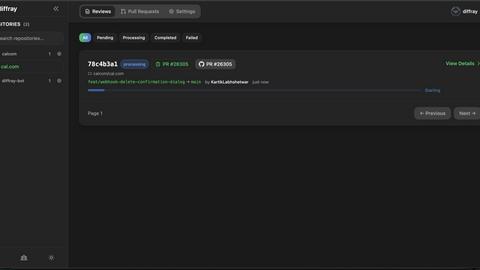
Diffray offers multi-agent AI code reviews that identify real bugs with 87% fewer false positives than traditional to...
Last updated: February 26, 2026

qtrl.ai
qtrl.ai is an all-in-one QA platform that combines test management and AI-driven automation for scalable quality.
Last updated: February 27, 2026
Visual Comparison
diffray
qtrl.ai
Feature Comparison
diffray
Multi-Agent Architecture
diffray's core feature is its multi-agent architecture, which consists of over 30 specialized agents. Each agent is an expert in a specific domain, allowing for comprehensive analysis of code quality. This approach ensures that each PR is scrutinized from multiple angles, minimizing the chances of overlooking critical issues while avoiding irrelevant noise.
Codebase Awareness
One of diffray's standout features is its codebase-aware capability. Unlike conventional tools that merely analyze the differences in code, diffray understands the broader context of your repository. This insight allows it to provide more relevant feedback based on the existing structure and conventions of your project, thus enhancing the quality of its recommendations.
Clean and Actionable Feedback
diffray excels in delivering clean comments that focus on actionable feedback, devoid of unnecessary clutter such as emoji spam. This ensures that developers receive clear, concise, and relevant suggestions that can be easily understood and implemented, facilitating a smoother review process.
Seamless GitHub Integration
With easy setup in just a few clicks, diffray integrates seamlessly with GitHub, GitLab, and Bitbucket. This integration means developers can start using diffray without any complicated configurations, allowing them to focus on coding and delivering quality software. The tool is designed to work right out of the box with your existing workflows.
qtrl.ai
Autonomous QA Agents
qtrl.ai features autonomous QA agents that execute testing instructions on demand or continuously. These agents can run tests across multiple environments at scale while operating within user-defined rules. This capability ensures real browser execution instead of simulations, enhancing the reliability of test results.
Enterprise-Grade Test Management
The platform provides centralized management of test cases, plans, and executions, ensuring full traceability and audit trails. With support for both manual and automated workflows, qtrl.ai is designed for compliance and auditability, making it ideal for enterprises that require rigorous quality assurance processes.
Progressive Automation
qtrl.ai enables teams to start with human-written testing instructions and gradually transition to AI-generated tests. The platform intelligently suggests new tests based on coverage gaps, allowing teams to review, approve, and refine tests at every step of the process, thus maintaining control over their testing strategy.
Adaptive Memory
qtrl.ai incorporates adaptive memory, which builds a living knowledge base of the application being tested. This feature learns from exploration, test execution, and issues, powering smarter, context-aware test generation that becomes more effective with each interaction.
Use Cases
diffray
Enhancing Security in Development
Developers in fintech and data-sensitive industries can leverage diffray to ensure their code is secure by identifying vulnerabilities such as SQL injection or improper data handling. The specialized security agents focus on pinpointing these issues, enabling teams to build safer applications.
Improving Code Quality with Best Practices
Teams looking to maintain high coding standards can use diffray to enforce best practices. The agents provide insightful feedback on code structure, readability, and maintainability, helping developers align their work with industry standards and team guidelines.
Reducing PR Review Times
For teams overwhelmed by lengthy PR reviews, diffray offers a solution that significantly cuts down review times. By catching more real issues and reducing false positives, diffray allows developers to spend less time on reviews and more time on productive coding work.
Facilitating Collaborative Development
With diffray's actionable feedback and clean comments, team members can collaborate more effectively during code reviews. Developers can quickly address the issues pointed out by diffray, making the review process more efficient and fostering a culture of continuous improvement within the team.
qtrl.ai
Scalable QA for Growing Teams
As organizations expand, QA teams often struggle with the volume of testing required. qtrl.ai provides a scalable solution that allows teams to manage test cases efficiently while integrating AI-driven automation to keep pace with development demands.
Legacy Workflow Modernization
Companies looking to modernize their legacy QA workflows can leverage qtrl.ai's capabilities to transition from brittle, traditional automation methods to a more adaptive and intelligent testing framework that enhances agility without losing control.
Continuous Integration and Delivery
For teams implementing CI/CD pipelines, qtrl.ai seamlessly integrates into existing workflows, providing continuous quality feedback loops that ensure high-quality software releases. The platform supports rapid test execution across various environments, which is crucial in a fast-paced development landscape.
Enhanced Compliance and Governance
Enterprises requiring stringent governance and traceability in their QA processes can benefit from qtrl.ai's enterprise-grade features. The platform's comprehensive audit trails and permissioned autonomy levels enable organizations to maintain oversight while optimizing their testing efforts.
Overview
About diffray
diffray is an advanced AI-powered code review tool designed to revolutionize how development teams manage pull requests (PRs). Unlike traditional AI code review systems that employ a one-size-fits-all approach, diffray leverages a multi-agent architecture comprising over 30 specialized agents. Each agent focuses on specific aspects of code quality, such as security vulnerabilities, performance optimization, bug detection, best coding practices, and SEO considerations. This targeted approach leads to significantly enhanced accuracy, resulting in 87% fewer false positives and three times more real issues being identified. As a result, teams experience a dramatic reduction in PR review times, slashing the average review duration from 45 minutes to just 12 minutes per week. diffray is tailored for developers and teams looking for precise, actionable insights that facilitate faster and more efficient code reviews, ultimately improving overall code quality and developer productivity.
About qtrl.ai
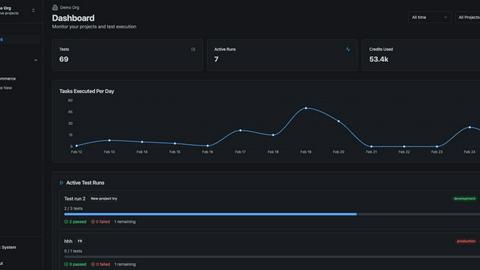
qtrl.ai is an advanced test management platform designed to meet the demands of modern software development teams. It offers a comprehensive suite of tools that enable organizations to effectively manage, execute, and analyze their testing processes. With qtrl.ai, teams can organize their test cases, plan and execute test runs, trace requirements to coverage, and monitor quality metrics through intuitive real-time dashboards. This platform is particularly beneficial for engineering leads and QA managers who need clear visibility into testing outcomes, including what has been tested, what is passing, and potential risks.
What sets qtrl.ai apart from traditional test management solutions is its innovative AI layer. The platform includes autonomous agents capable of generating user interface tests from natural language descriptions, maintaining them as applications evolve, and executing these tests across various environments and browsers. With a progressive automation model, qtrl.ai allows teams to start with manual testing and gradually integrate AI-driven automation, making it suitable for organizations at any stage of QA maturity. Ultimately, qtrl.ai empowers teams to scale quality assurance efforts without sacrificing oversight, trust, or governance.
Frequently Asked Questions
diffray FAQ
How does diffray reduce false positives?
diffray employs a unique multi-agent architecture, with each agent specializing in different areas of code quality. This targeted approach allows for more precise analysis, significantly reducing the number of irrelevant suggestions and focusing on genuine issues.
Is diffray suitable for large teams?
Yes, diffray is designed to scale with your team. Its multi-agent system can handle complex codebases and multiple contributors, ensuring that all aspects of code quality are addressed without overwhelming developers with noise.
Can I customize the review settings in diffray?
Absolutely! diffray allows you to configure your repository settings, enabling specific agents and aligning the review process with your team's coding guidelines. This customization ensures that the feedback you receive is relevant to your project's needs.
What is the pricing model for diffray?
diffray is free for open-source projects and offers a 14-day free trial for private repositories. This allows teams to evaluate the tool's effectiveness before committing to a paid plan, making it accessible for various types of development work.
qtrl.ai FAQ
What makes qtrl.ai different from traditional testing tools?
qtrl.ai stands out due to its integrated AI layer that enables autonomous test generation and execution. This differentiates it from traditional tools that often rely solely on manual testing or rigid automation frameworks, providing a more adaptable and scalable solution.
Can qtrl.ai be used by teams at any stage of QA maturity?
Yes, qtrl.ai is designed with a progressive automation model that allows teams to start with manual test management and gradually introduce AI-assisted automations. This flexibility makes it suitable for organizations at any stage of their QA journey.
How does qtrl.ai ensure the security of test data?
qtrl.ai incorporates enterprise-ready security by ensuring that sensitive data, like per-environment variables and encrypted secrets, are never exposed to AI agents. This design maintains the integrity and confidentiality of test data across all environments.
Is it possible to monitor test execution in real-time with qtrl.ai?
Absolutely. qtrl.ai provides real-time dashboards that track quality metrics, offering clear visibility into test runs, pass rates, and risk areas. This feature enables teams to make informed decisions quickly and effectively.
Alternatives
diffray Alternatives
Diffray is an advanced AI-powered code review tool that employs a multi-agent architecture to enhance code quality by identifying bugs and vulnerabilities more effectively than traditional systems. As development teams increasingly seek efficiency and accuracy in their workflow, users commonly search for alternatives due to factors such as pricing, feature sets, integration capabilities, and specific platform requirements. Each team's unique needs can drive this search, prompting them to explore solutions that align closely with their coding practices and project goals. When evaluating alternatives to diffray, consider critical aspects such as the technology's ability to provide specialized code analysis, the quality of feedback delivered, and the overall user experience. It is essential to assess whether the alternative can integrate seamlessly with your existing development environment and how well it addresses your team's specific challenges in code review processes. Ultimately, the best choice will depend on your team's unique preferences and requirements.
qtrl.ai Alternatives
qtrl.ai is a comprehensive QA platform that specializes in structured test management and incorporates AI-driven test automation tailored for engineering and product teams. This dual focus allows organizations to streamline their quality assurance processes, making it easier to manage test cases, execute test runs, and analyze quality metrics through real-time dashboards. Users frequently seek alternatives to qtrl.ai due to various factors, including pricing concerns, specific feature requirements, or the need for compatibility with existing platforms. When exploring alternatives, it is essential to consider the scope of features offered, the ease of integration with current workflows, and the level of support provided. Evaluating these criteria can help ensure that the chosen solution aligns with the organization's QA maturity level and long-term goals.