
CloudBurn vs RocketShare
Side-by-side comparison to help you choose the right product.

CloudBurn
CloudBurn delivers automatic AWS cost estimates in pull requests, preventing costly infrastructure errors before depl...
Last updated: February 26, 2026

RocketShare
RocketShare encrypts your files on device for secure, private sharing with zero-knowledge links.
Last updated: March 3, 2026
Visual Comparison
CloudBurn
RocketShare
Feature Comparison
CloudBurn
Automatic Cost Analysis
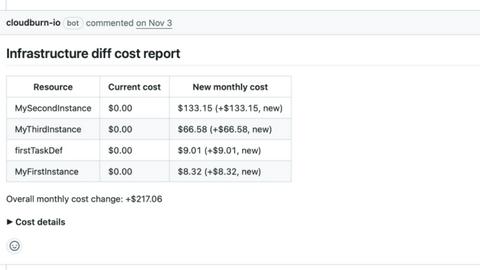
Every time a developer opens a pull request with infrastructure changes, CloudBurn automatically performs a detailed cost analysis. This feature ensures that teams can see the financial implications of their changes in real-time, making it easier to catch potential cost overruns before they become a reality.
Real-Time Pricing Information
CloudBurn utilizes real-time AWS pricing data tailored to specific regions, ensuring that cost estimates are accurate and relevant. This feature helps teams understand the exact financial impact of their infrastructure modifications, allowing for informed decision-making during the development process.
Resource-Level Cost Breakdown
CloudBurn provides a comprehensive resource-level breakdown of costs, showing both old and new monthly expenses for each resource affected by the changes. This granular visibility enables teams to pinpoint which specific changes will lead to increased costs, facilitating targeted discussions and adjustments.
Seamless GitHub Integration
The installation process for CloudBurn is straightforward, allowing for seamless integration with existing GitHub workflows. Developers can easily set up the tool to work with both Terraform and AWS CDK, ensuring that cost analysis is baked directly into their CI/CD processes without disrupting their current practices.
RocketShare
Zero-Knowledge, Client-Side Encryption
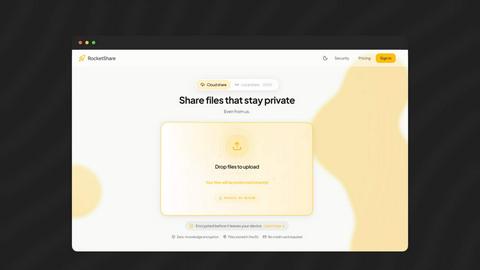
This is the cornerstone of RocketShare's security. Every file is encrypted locally on your computer or device using a unique key before it ever leaves for the cloud. This encryption key is kept exclusively on your side, embedded within the shareable link (in the URL fragment), and is never transmitted to or stored on RocketShare's servers. Consequently, the platform only ever handles encrypted data blobs, making it technically impossible for anyone at RocketShare or a third-party attacker with server access to decrypt and view your files.
Secure Link Sharing with Embedded Keys
RocketShare simplifies secure sharing by generating a unique link for your uploaded file. The critical decryption key is contained within a fragment of this URL, which is not sent to the server during standard web requests. When you share this link, the recipient's browser uses the fragment to decrypt the file client-side. The backend only stores the encrypted file and associated metadata (like filename and expiry), ensuring the content remains private throughout the entire transfer and storage process.
EU-Based Data Storage & Sovereignty
All encrypted user data is stored on servers located within the European Union. This provides users with strong data protection guarantees under regulations like the GDPR. Choosing EU-based storage ensures that data is subject to some of the world's strictest privacy laws, offering peace of mind regarding data sovereignty, jurisdictional control, and compliance for both European and international clients concerned with regional data handling standards.
Self-Destructing Files & Expiry Controls
Users maintain full control over the lifespan of their shared files. RocketShare allows you to set automatic expiration dates on any shared link. Once the set time period elapses, the link becomes invalid and access to the file is permanently revoked. This feature is crucial for sharing time-sensitive documents, draft materials, or any content where indefinite access poses a security or compliance risk, ensuring data does not persist unnecessarily.
Use Cases
CloudBurn
Preventing Costly Misconfigurations
CloudBurn is ideal for teams looking to prevent costly misconfigurations before they are deployed. By providing cost visibility during the pull request stage, teams can identify and rectify expensive resource changes early in the development cycle.
Enhancing Budget Control for Development Teams
Development teams can leverage CloudBurn to enhance their budget control measures. By integrating cost analysis into their workflows, teams can ensure that they stay within budget while making necessary infrastructure changes.
Facilitating Informed Code Reviews
With CloudBurn, code reviews become more informed as teams can discuss the budget implications of changes. This leads to more effective collaboration and decision-making, ultimately resulting in a more cost-effective infrastructure setup.
Encouraging Cost Awareness Among Developers
CloudBurn fosters a culture of cost awareness among developers. By embedding cost analysis directly into the development process, it encourages teams to consider the financial impact of their decisions, leading to more responsible resource usage.
RocketShare
Legal Document Exchange
Law firms and legal professionals regularly handle highly confidential case files, contracts, and client communications. RocketShare's zero-knowledge encryption ensures that attorney-client privilege and sensitive case details are maintained, as not even the service provider can access the content. Secure, expiring links allow for the safe transmission of drafts and final documents to clients and co-counsel, with automatic deletion providing an audit trail and reducing data retention liability.
Healthcare Data & Patient Privacy
Healthcare providers, clinics, and researchers need to share medical records, lab results, and imaging files in compliance with strict regulations like HIPAA. RocketShare facilitates this by ensuring Protected Health Information (PHI) is encrypted before leaving the medical institution's network. The EU-based storage adds an extra layer of jurisdictional security, making it a robust tool for secure patient referrals and collaborative research while upholding patient confidentiality.
Creative Asset & IP Protection
Photographers, videographers, game studios, and marketing agencies constantly share high-value intellectual property such as raw footage, design mockups, unreleased game builds, and campaign assets. RocketShare protects this IP from interception or unauthorized access by competitors or third parties. Creators can share previews with clients or team members globally, knowing their work remains encrypted and access can be limited with expiry dates.
Confidential Financial Audits & Reporting
Accountants, auditors, and financial consultants manage sensitive financial statements, tax records, and audit reports. Sharing these documents via email or standard cloud storage carries significant risk. RocketShare provides a secure conduit for exchanging confidential financial data with clients and regulatory bodies. The zero-knowledge model ensures that financial secrets remain private, supporting compliance with data protection regulations in the financial sector.
Overview
About CloudBurn
CloudBurn is an innovative tool designed for development teams utilizing Terraform or AWS Cloud Development Kit (CDK). It addresses the critical issue of unexpected AWS infrastructure costs that often arise after deployment. Many teams face the unpleasant surprise of high AWS bills weeks after making changes, resulting in wasted resources and budget overruns. CloudBurn transforms this process by integrating cost visibility directly into the code review stage. As developers open pull requests for infrastructure modifications, CloudBurn automatically assesses these changes and provides real-time cost estimates based on current AWS pricing. This allows teams to have informed discussions about budget impacts during the code review process, enabling them to make necessary adjustments before any changes are deployed to production. CloudBurn empowers teams to take proactive control of their cloud spending, ensuring that they optimize their infrastructure effectively and efficiently.
About RocketShare
RocketShare is a secure file-sharing platform engineered for professionals and organizations that prioritize data privacy above all else. It operates on a foundational zero-knowledge architecture, meaning files are encrypted directly on the user's device before any data is transmitted. The encryption keys are never sent to or stored on RocketShare's servers, ensuring that the company itself cannot access the content of the files. This model provides enterprise-grade security within a simple, self-serve interface designed for daily use. The platform is ideal for industries handling sensitive information, such as legal, healthcare, finance, and creative sectors. Its core value proposition is delivering uncompromising privacy—"your files stay private, even from us"—combined with the convenience of easy link sharing, automatic expiry controls, and secure storage within the European Union. RocketShare empowers users to share confidential documents, media, and data with the absolute confidence that their intellectual property and client information remain protected end-to-end.
Frequently Asked Questions
CloudBurn FAQ
How does CloudBurn integrate with GitHub?
CloudBurn integrates seamlessly with GitHub by installing an app from the GitHub Marketplace. After installation, developers can add GitHub Actions specific to their infrastructure-as-code tools, allowing for automated cost analysis on pull requests.
Is there a trial period for CloudBurn?
Yes, CloudBurn offers a 14-day Pro trial that allows users to experience all premium features for free. Users can choose to cancel anytime or continue using the Community plan indefinitely.
How does CloudBurn ensure accurate cost estimates?
CloudBurn ensures accurate cost estimates by utilizing real-time AWS pricing data specific to the region where the infrastructure is deployed. This allows teams to receive relevant and precise cost analyses based on their actual usage scenarios.
What happens if a developer submits a costly change?
If a developer submits a pull request that includes costly changes, CloudBurn will automatically highlight these costs in the code review process. This allows the team to discuss the implications and make adjustments as needed before the changes are deployed to production.
RocketShare FAQ
How does RocketShare's zero-knowledge model work?
RocketShare's zero-knowledge model ensures total privacy by handling encryption exclusively on your device. When you upload a file, the RocketShare application on your computer creates a strong encryption key and uses it to scramble the file before any data is sent over the internet. This encrypted data is then stored on RocketShare's servers. The decryption key is never sent to these servers; instead, it is embedded within the shareable link you generate. Only someone with the full link (containing the key fragment) can decrypt and access the original file, guaranteeing that RocketShare cannot view your content.
Where are my files physically stored?
All user-uploaded files (in their encrypted state) are stored on secure servers located within the European Union. This commitment to EU-based storage ensures that data residency complies with the General Data Protection Regulation (GDPR), offering users strong legal privacy protections and clear jurisdictional guidelines regarding how their data is housed and managed.
What happens when a file link expires?
When you set an expiry date for a shared link, RocketShare's system automatically invalidates that link at the specified time. Once expired, the link will no longer provide access to download the encrypted file from the servers. Depending on your account settings and the service's data retention policy, the encrypted file data itself may also be permanently deleted from the servers after expiry, ensuring the information is not retained indefinitely.
Is a credit card required to start using RocketShare?
No, you can start using RocketShare's core secure sharing services without providing a credit card. The platform offers a free tier or trial that allows users to experience the zero-knowledge encryption and file-sharing functionality, making it easy for individuals and teams to evaluate the service's security and fit for their needs before committing to a paid plan.
Alternatives
CloudBurn Alternatives
CloudBurn is a cutting-edge tool that falls under the category of development tools, specifically designed for teams using Terraform or AWS Cloud Development Kit (CDK). It provides automatic AWS cost estimates during the code review process, enabling developers to understand the financial implications of their infrastructure changes before deployment. This proactive approach helps prevent budget overruns and resource wastage, making it an essential asset for efficient cloud management. Users often seek alternatives to CloudBurn for various reasons, including pricing concerns, feature sets that may better align with their specific needs, or compatibility with different platforms. When evaluating potential alternatives, it’s crucial to consider factors such as the accuracy of cost estimations, ease of integration with existing workflows, the granularity of cost breakdowns, and overall user experience. A tool that seamlessly integrates into the development process while providing reliable financial insights can significantly enhance cloud cost management.
RocketShare Alternatives
RocketShare is a secure file-sharing service in the productivity and management category, distinguished by its zero-knowledge architecture. This model ensures files are encrypted on the user's device before upload, with decryption keys never stored on the service's servers, offering a high degree of privacy for sensitive data. Users may explore alternatives for various reasons, such as differing budget constraints, the need for specific collaboration features like real-time editing or team workspaces, or requirements for integration with other business platforms. Some may also seek solutions with different storage capacities or platform compatibility beyond web and mobile apps. When evaluating other services, key considerations should include the underlying security model, especially whether encryption is client-side or server-side. It's also prudent to assess the vendor's data retention policies, link expiration controls, ease of use, and the transparency of their privacy practices to ensure the alternative meets both functional and security requirements.